
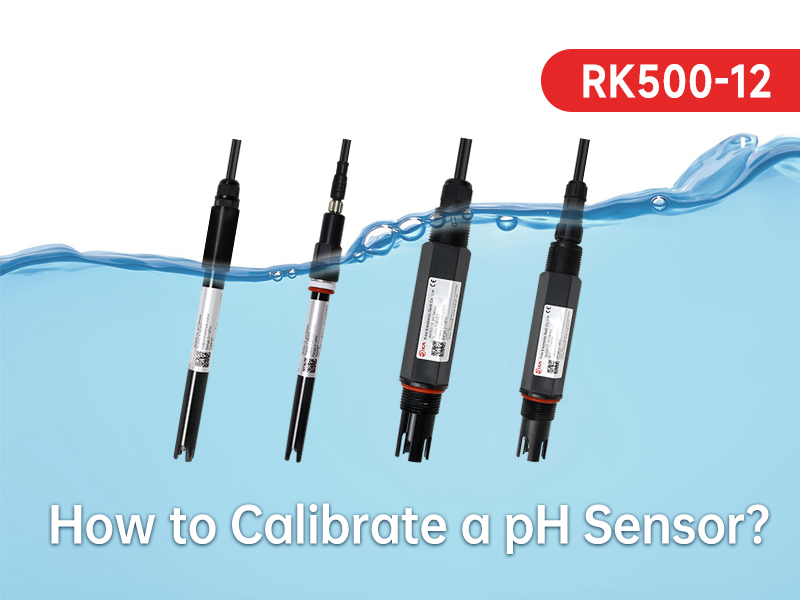

Maintaining clean and safe water is a fundamental concern for public health, industrial processes, and environmental management. One of the key indicators of water quality is its pH level, which reflects the balance between acidity and alkalinity. Accurate monitoring of this parameter is essential, and pH sensors have become an indispensable tool for water quality assessment. These devices provide precise and real-time measurements, helping to ensure safe water standards and efficient process control.
pH sensors measure the concentration of hydrogen ions in water and translate this into a pH value, which ranges from 0 (highly acidic) to 14 (highly alkaline), with 7 being neutral. Modern sensors are highly sensitive and can deliver accurate readings even in challenging water conditions. For a detailed understanding of their operation, you can explore this comprehensive guide on pH sensors, which explains their working principle, components, and applications in various industries.
Types of pH Sensors for Water Monitoring
Water monitoring applications require sensors that are reliable, robust, and capable of providing consistent readings. Common types of pH sensors include:
- Glass Electrode Sensors: Widely used for their accuracy and compatibility with most water types. They are suitable for laboratory and field applications.
- ISFET Sensors (Ion-Selective Field Effect Transistors): These sensors offer rapid response times, are durable, and can withstand harsh water environments.
- Combination Electrodes: Integrating both the measuring and reference electrodes into one unit, combination sensors reduce maintenance complexity and are ideal for continuous monitoring.
Choosing the right sensor depends on factors such as water composition, temperature fluctuations, and the presence of suspended solids or chemicals that might affect the electrode’s performance.
Importance of pH Monitoring in Water Quality
Monitoring water pH is vital for several reasons. In drinking water systems, maintaining an appropriate pH range prevents corrosion of pipes and plumbing, ensures palatability, and inhibits harmful microbial growth. In industrial processes, accurate pH measurement safeguards equipment, ensures proper chemical reactions, and maintains regulatory compliance. Environmental monitoring also relies on pH data to assess the health of aquatic ecosystems and detect pollution.
Calibration and Maintenance of pH Sensors
For pH sensors to provide reliable readings, regular calibration is essential. Calibration is typically performed using standard buffer solutions with known pH values, which correct any drift caused by electrode aging, fouling, or temperature variations. Proper maintenance includes cleaning the electrode, checking the reference solution, and replacing worn components. These practices help maintain measurement accuracy over time and extend the life of the sensor.
Applications of pH Sensors in Water Quality Monitoring
pH sensors are extensively used in various water monitoring scenarios:
- Drinking Water Treatment: Ensuring safe and compliant water for public consumption.
- Wastewater Management: Monitoring effluent pH to meet environmental regulations and protect natural water bodies.
- Aquaculture: Maintaining optimal pH levels for fish and other aquatic organisms to thrive.
- Industrial Water Systems: Controlling pH in cooling towers, boilers, and chemical processes to prevent scaling and corrosion.
By providing real-time data, pH sensors enable operators to take immediate corrective actions, reducing risks to both human health and infrastructure.
Advantages of Using pH Sensors in Water Monitoring
The adoption of pH sensors offers numerous benefits. They deliver precise and repeatable measurements, allowing for accurate water quality assessment. Instant readings help reduce response times to pH fluctuations, while automated systems integrated with sensors can continuously monitor water conditions without manual intervention. High-quality sensors are also designed to resist harsh environments, making them suitable for both laboratory and field applications.
Conclusion
The role of pH sensors in water quality monitoring cannot be overstated. Their ability to provide accurate, real-time readings is critical for maintaining safe drinking water, protecting aquatic ecosystems, and supporting industrial processes. Proper calibration, maintenance, and selection of the right sensor type ensure reliable performance and long-term usability. Integrating pH sensors into water monitoring systems enables proactive management of water quality, enhancing safety, compliance, and operational efficiency.