
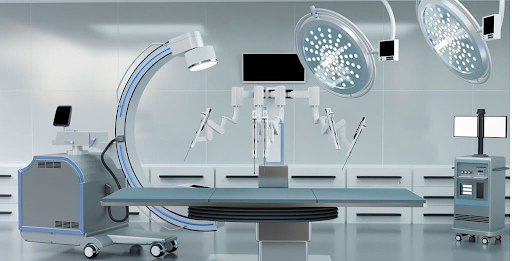

Cardiac surgery has always demanded precision, expertise, and careful post-operative management. Traditional open-heart procedures, while effective, involve large incisions, longer recovery times, and increased risk of complications. Robotic cardiac surgery is redefining these standards. This advanced technology allows surgeons to perform highly complex procedures using minimally invasive techniques. By combining robotics with detailed imaging and real-time guidance, operations are performed with unprecedented accuracy. Patients benefit from reduced surgical trauma, smaller scars, and faster healing, making recovery significantly more manageable.
In addition, robotic systems enhance surgical visibility and dexterity, enabling interventions in areas that were previously difficult to access. This innovation is transforming the experience of cardiac surgery, prioritizing patient safety and recovery without compromising clinical outcomes.
How Robotic Cardiac Surgery Works
This surgery involves state-of-the-art machinery that translates a surgeon’s movements into precise actions inside the patient’s body.
- Minimally Invasive Access: Surgeons operate through small, carefully planned incisions that minimize disruption to surrounding tissues. This approach significantly reduces post-operative pain and accelerates the healing process. Patients also experience lower risks of infection and faster overall recovery compared to traditional open-heart surgery.
- High-Definition Visualization: Advanced 3D cameras provide highly detailed, magnified views of the heart’s internal structures. Surgeons can navigate intricate areas with precision that is not possible with the naked eye. Real-time imaging ensures accurate assessment and execution during even the most complex procedures.
- Precision Instruments: Robotic arms replicate the surgeon’s hand movements with enhanced stability and accuracy. Motion scaling allows delicate maneuvers to be performed safely, minimizing tissue damage. These instruments enable complex surgical tasks in tight or challenging areas within the chest.
- Surgeon Console Control: Surgeons operate from a specialized console, translating hand movements into precise instrument actions. This setup reduces fatigue during long procedures while maintaining consistent performance. The console provides intuitive control over instruments and surgical cameras for maximum precision.
- Integrated Safety Features: Robotic systems include built-in motion limits to prevent accidental injury to surrounding tissues. Fail-safes and automated safeguards ensure the highest level of intraoperative safety. Continuous monitoring and adjustment capabilities reduce the risk of complications during surgery.
By combining these elements, robotic surgery ensures that even high-risk procedures can be performed with enhanced accuracy, translating into better post-operative outcomes.
Applications in Cardiac Procedures
Robotic surgery is versatile and suitable for a wide range of heart procedures.
- Valve Repair and Replacement: Robotic systems offer superior dexterity, enabling surgeons to repair or replace heart valves with high precision and stability. This minimizes disruption to surrounding tissues and reduces the need for large incisions. Patients benefit from faster healing, reduced pain, and improved long-term valve performance.
- Coronary Artery Bypass Surgery: Robot-assisted bypass surgery enhances graft placement accuracy, supporting optimal blood flow restoration. The reduced trauma to muscles and bones leads to fewer complications and shorter recovery periods. This approach improves long-term success rates and patient quality of life.
- Arrhythmia Correction: Robotic-assisted ablation enables targeted treatment of irregular electrical pathways within the heart. Using advanced visualization, surgeons can avoid healthy tissue, ensuring safer intervention. The result is improved rhythm stability with fewer postoperative complications.
- Advanced Heart Failure Interventions: For patients with weakened heart function, robotic surgery facilitates safer device implantation and tissue repair. The minimally invasive nature reduces physiological stress and surgical risks. This enables broader treatment eligibility and improved survival outcomes.
- Congenital Heart Surgery: Children and adults with congenital heart defects benefit from robotic precision and small-incision approaches. These techniques lower surgical trauma, reduce scarring, and improve postoperative comfort. Recovery times are shortened, making treatment safer and more manageable for complex conditions.
Robotic systems make these complex procedures safer, more predictable, and more effective, enhancing both surgical success and patient recovery.
The Role of Technology in Improving Recovery
Technology is central to the recovery advantages offered by robotic cardiac surgery.
- Enhanced Surgical Planning: Preoperative imaging and digital simulation enable surgeons to visualize each step before entering the operating room. This reduces uncertainty, improves workflow, and enhances procedural accuracy. The result is lower risk, greater control, and more predictable surgical outcomes.
- Data-Driven Monitoring: Real-time feedback from sensors, imaging tools, and patient vitals supports precision throughout the procedure. Instant alerts help surgeons respond quickly to any deviation or complication. This continuous data loop improves decision-making and safeguards patient outcomes.
- Minimally Invasive Support Devices: Robotic-assisted tools help place critical support systems like ventricular assist devices with higher accuracy and minimal disruption to tissue. Smaller incisions reduce bleeding, scarring, and procedural trauma. Patients benefit from faster recovery timelines and reduced postoperative discomfort.
- Patient-Centric Care: Enhanced surgical accuracy and minimally invasive techniques translate into shorter hospital stays and reduced pain. Early mobilization becomes possible, improving physical and emotional well-being. Overall, the approach focuses on safety, comfort, and restoring quality of life sooner.
- Ongoing Innovation: Advancements in robotics, AI algorithms, and next-generation surgical tools continue to refine cardiac interventions. These innovations push boundaries, making complex surgeries safer, faster, and more accessible. Patients receive care that evolves with technology, offering improved long-term outcomes and confidence in treatment.
By integrating these technologies, this surgery not only enhances the precision of the operation itself but also actively supports faster, smoother recovery post-surgery.
Final Thoughts
Robotic cardiac surgery represents a major advancement in cardiovascular care, combining precision technology with medical expertise to improve surgical outcomes and recovery experiences. By reducing surgical trauma, enhancing accuracy, and supporting faster healing, these procedures set a new benchmark for patient care. With innovations like robotic hearts and advanced navigation systems, surgeons can now perform procedures with unmatched precision. From valve repairs to complex heart failure interventions, robotic-assisted surgery offers safer, more efficient solutions that were previously unattainable. Patients seeking modern, minimally invasive cardiac care can benefit from these advancements for a quicker, less stressful recovery.
To explore expert guidance and learn more about advanced cardiac treatment options, connect with Dr. Udgeath Dhir. With extensive experience in minimally invasive and robotic cardiac procedures, he offers personalized care for a wide range of conditions, including those requiring heart failure treatment. Early consultation can help patients understand the options and move forward with confidence toward better long-term outcomes.