
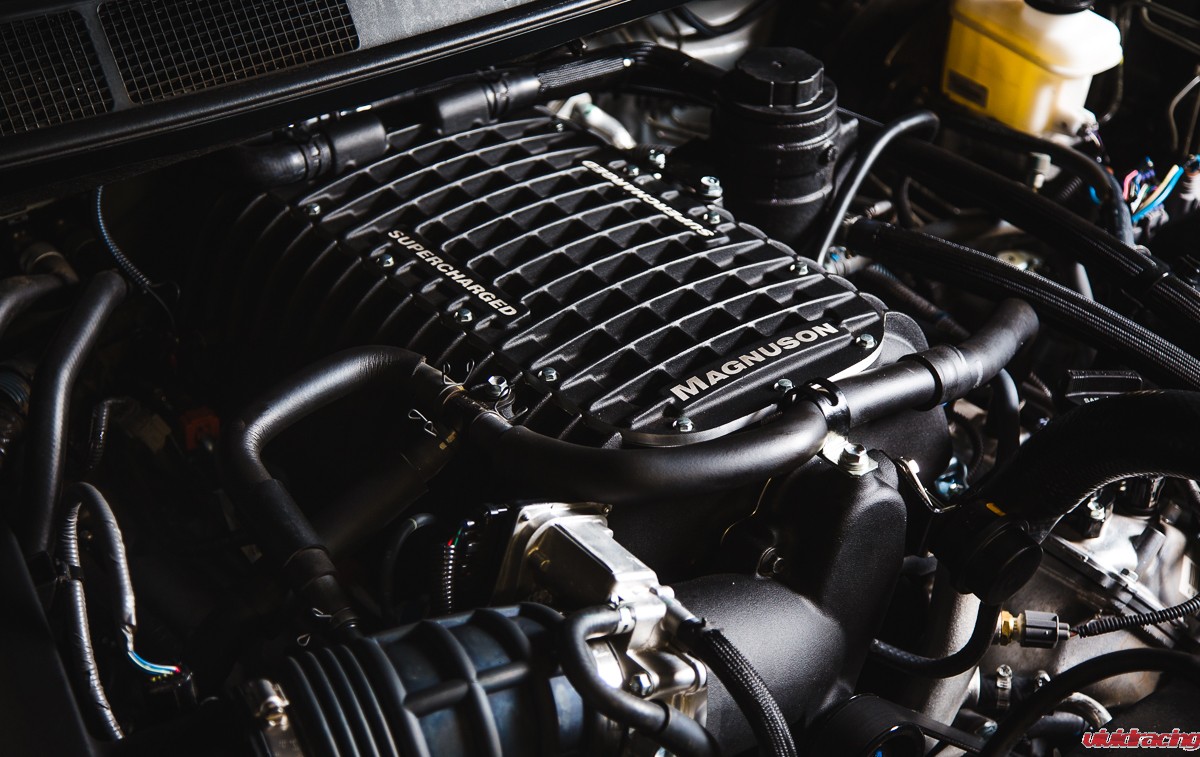

Upgrading a Toyota Tundra with a supercharger kit is one of the most effective ways to significantly increase horsepower, torque, and overall performance. However, before making the investment, it is important to understand the full cost breakdown and assess the long-term value these systems provide. While superchargers deliver impressive power gains, they also represent a considerable financial commitment. Evaluating the components, installation expenses, maintenance expectations, and performance benefits can help truck owners make a confident and informed decision.
Understanding the Core Cost of a Supercharger Kit
The largest part of the total investment comes from the supercharger kit itself. Depending on the manufacturer, design, and included components, prices can vary widely. Entry-level kits typically offer basic hardware such as the blower unit, mounting brackets, and essential lines. More advanced kits include upgraded fuel systems, intercoolers, tuning software, and reinforced components designed for higher boost levels.
Buyers should also be aware that pricing often reflects the engineering quality, level of testing, and durability of the kit. Superchargers designed specifically for Tundra engines tend to cost more due to their precision fitment and optimized performance mapping. Beyond the initial purchase price, the reliability and longevity of the kit are equally important factors to consider.
What Comes with Toyota Tundra Supercharger Kits
Many truck owners compare different Toyota Tundra Supercharger Kits to better understand what they are paying for. These kits vary in terms of included components, such as intercooling systems, upgraded injectors, reinforced belts, and calibration files. Some kits are engineered for daily driving and moderate performance increases, while others target high-output builds that require additional supporting modifications.
It is essential to review the parts list carefully. A comprehensive kit may cost more upfront but can reduce the need for separate purchases later. Features like integrated cooling solutions or custom tuning files help ensure safe operation and can improve long-term engine reliability, contributing to overall value.
Installation and Professional Labor Costs
In most cases, installation requires professional expertise, which adds to the total cost. Depending on shop rates and the complexity of the kit, labor can range considerably. The process involves precise mechanical work, tuning adjustments, and verification testing to ensure the supercharger operates safely.
Choosing a shop experienced with supercharged trucks can help avoid installation issues and costly mistakes down the road. Although professional labor increases the initial investment, it improves reliability and ensures the kit delivers its intended performance gains. Truck owners should also consider the value of expert tuning, as proper calibration directly affects engine health and drivability.
Supporting Modifications and Additional Expenses
Along with the supercharger itself, some trucks may require additional upgrades to handle the increased power. These supporting modifications can include:
- High-flow fuel pumps or injectors
- Upgraded spark plugs
- Stronger transmission components
- Enhanced cooling systems
- Performance air intake or exhaust adjustments
These extras can add to the overall cost, depending on the truck’s current setup and performance goals. While not all builds require these upgrades, planning for them helps avoid unexpected expenses during installation.
Long-Term Maintenance Costs
Supercharged Tundras may require slightly more frequent maintenance compared to naturally aspirated setups. This includes shorter intervals for oil changes, regular belt inspections, and monitoring of intercooler and fuel system components. While these expenses are relatively minor, they contribute to the long-term cost of ownership.
The value of a high-quality kit becomes more apparent here, as reliable components typically require less upkeep and reduce the risk of major repairs. A well-maintained supercharger system can provide years of consistent and trouble-free performance, making the initial investment more worthwhile.
Power Gains and Performance Value
One of the biggest advantages of installing a supercharger is the immediate and significant increase in horsepower and torque. For many Tundra owners, this improved performance offers substantial value for towing, hauling, off-road use, or simply enjoying a more responsive driving experience. The added power can transform the truck’s capability and make daily tasks easier and more efficient.
When calculating value, it is also important to consider the cost of alternative performance upgrades. Achieving similar power gains through other modifications often requires multiple components and may not deliver the same level of reliability as a well-engineered supercharger system.
Long-Term Resale and Overall Value
A properly installed and maintained supercharger can enhance the truck’s resale appeal to performance-focused buyers. While not every buyer specifically looks for a supercharged truck, those who do often appreciate the investment made in quality parts and professional installation.
When weighing the cost versus value, supercharger kits offer strong long-term benefits for drivers who prioritize performance, capability, and driving enjoyment. Although the initial expense can be significant, the enhancement to the truck’s power and versatility often justifies the investment.
By understanding each cost factor and comparing overall value, Tundra owners can make a well-informed decision that aligns with their performance goals and budget.